Introduction
Creating digital images used to take creative skill, specialized software, real time. Sketch concepts, find visual assets, adjust compositions, refine colors — all before reaching anything finished. AI’s changing that. Generate images from written descriptions, reference material, other visual inputs.
AI image-generation tech supports a lot of creative tasks now — early concepts, illustrations for digital projects, all of it. Doesn’t replace human creativity, though. Just makes experimenting faster, gives people new ways to explore visual ideas.
What Is AI Image Generation?
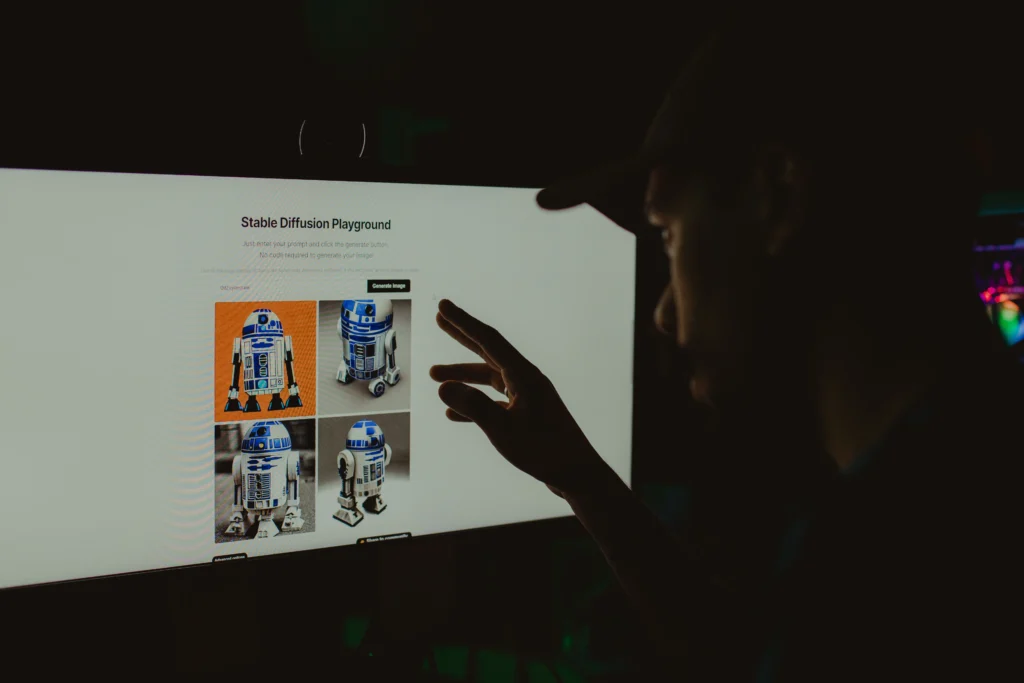
Tech creating visual content through machine-learning models, basically. Write a prompt describing an object, person, environment, style, composition — the system interprets it, produces an image.
Modern models train on huge collections of visual and textual info. Through that training, they learn relationships between words and visual characteristics. Give it a prompt, and it generates pixels based on learned patterns, not retrieving some single existing image.
An AI picture generator lets you explore ideas through text-based image creation. Usefulness comes down to how clearly the subject, setting, style, and other visual details actually get described.
How Text-to-Image Technology Works
Technical process behind this is complex, sure, but the basic idea’s simple enough. Modern systems run generative models that gradually construct an image based on relationships learned during training.
“A small wooden cabin beside a snowy forest at sunrise” — gives the model several visual concepts to work with. System identifies the relationships between the words, generates an image trying to match the description.
Result’s not always identical to what you imagined, though. Small wording changes shift composition, lighting, colors, perspective, artistic style. That’s why prompt writing matters so much here.
Writing Better Prompts
Effective prompts give enough info to establish the main visual direction without getting unnecessarily complicated. Instead of just “a city,” describe a modern city street at night, illuminated by shop signs, viewed from street level.
Useful prompt elements:
- Subject: What should actually appear?
- Environment: Where’s the subject located?
- Composition: How should objects be arranged?
- Lighting: Bright, soft, dramatic, dark?
- Style: Photographic, illustrated, cinematic, abstract?
- Perspective: Above, eye level, some other angle?
Experimentation’s often necessary. First result rarely matches the original idea perfectly.
Practical Uses of AI-Generated Images
AI image tools show up across a lot of creative fields. Content creators explore concepts for social posts, presentations, blogs, video projects. Designers generate rough visual directions before building a final design by hand.
Businesses brainstorm advertising concepts, packaging ideas, website layouts, visual campaigns this way. Educators create illustrations for learning materials. Writers use generated visuals to establish the atmosphere of fictional settings.
Generated images shouldn’t automatically get treated as finished professional artwork, though. Depending on the tool and prompt, images can have visual inconsistencies, inaccurate details, unusual proportions — needing human review.
Benefits and Limitations
Speed’s the major advantage. Explore several visual concepts within minutes instead of manually creating every variation from scratch. Genuinely useful during brainstorming and early-stage creative development.
Accessibility’s another win. People without advanced illustration or photo-editing skills experiment with visual concepts through natural language alone.
Real limitations too, though. AI models misread prompts, produce details that don’t make physical or logical sense. Text inside generated images sometimes comes out wrong. Hands, facial features, objects, complex scenes — often need extra editing.
Copyright and ownership questions matter too. Legal treatment of AI-generated content differs across jurisdictions, keeps developing. Understand the rules that apply to your intended use, especially for commercial material.
The Importance of Human Creativity
AI-generated images work best as creative tools, not complete replacements for human decision-making. People still decide what they want to communicate, evaluate whether an image fits its purpose, make corrections when needed.
Human judgment matters especially for brand identity, factual communication, cultural context, sensitive subjects. AI produces visual possibilities — people stay responsible for selecting, refining, using those results appropriately.
The Future of AI Image Creation
AI image-generation tech’s developing fast. Future systems will probably offer more precise control over composition, characters, objects, lighting, visual consistency. Integration with video, animation, editing, other creative software could make AI-generated visuals part of broader production workflows too.
Instead of eliminating traditional creative methods, AI’s becoming another layer in the process. Designers, photographers, marketers, educators, everyday users — combining automated generation with human editing and creative direction.
Conclusion
AI image generation’s made visual experimentation faster and more accessible. Converting written descriptions into images lets people explore concepts that would’ve otherwise taken serious time and technical expertise. Still, the limitations mean human review, editing, originality, responsible use all stay essential.
As this tech keeps evolving, understanding both what it can do and where it falls short helps users make smarter calls about when and how AI-generated images actually fit into a creative project.