If you have been looking for a smarter way to build and manage structured workflows, gdtj45 builder software is worth your attention. This guide walks you through what it does, how it works, and how to decide if it is the right fit for your team.
Builder tools have come a long way. The old approach — writing every configuration by hand, managing dependencies in spreadsheets, and hoping nothing breaks at deployment — is giving way to something far more practical. gdtj45 builder software sits squarely in that new generation of tools, designed to reduce friction at every step of the build process.
What Is gdtj45 Builder Software?
At its core, gdtj45 builder software is a platform that lets teams design, configure, and deploy structured workflows without needing to write low-level code for every task. Think of it as a modular component system where you connect building blocks to create something functional.
The name “gdtj45” refers to the specific framework or version identifier tied to this platform. While the label itself may sound technical, the actual experience of using the software is built around accessibility. Most users can get a basic workflow running within a single session, even without deep technical experience.
How It Differs from General Builder Tools
Not all builder platforms are created equal. Many general-purpose no-code builder platforms focus on visual design or simple form logic. gdtj45 builder software goes further by supporting complex dependency chains, conditional branching, and integration with external systems. It is less about surface-level drag-and-drop and more about giving teams control over real operational logic.
Who It Is Built For
This software suits a broad range of users — operations teams who need to automate repetitive processes, developers who want to prototype quickly without building from scratch, and product managers who need to see working flows without waiting on engineering sprints. If your work involves moving data, triggering actions, or coordinating steps across systems, this tool has practical value for you.
Core Features You Should Know About
Understanding what gdtj45 builder software actually includes helps you evaluate it against your real needs. The feature set is not about flashy extras. It is about solving the specific headaches that come with building and maintaining workflows at scale.
Drag-and-Drop Configuration
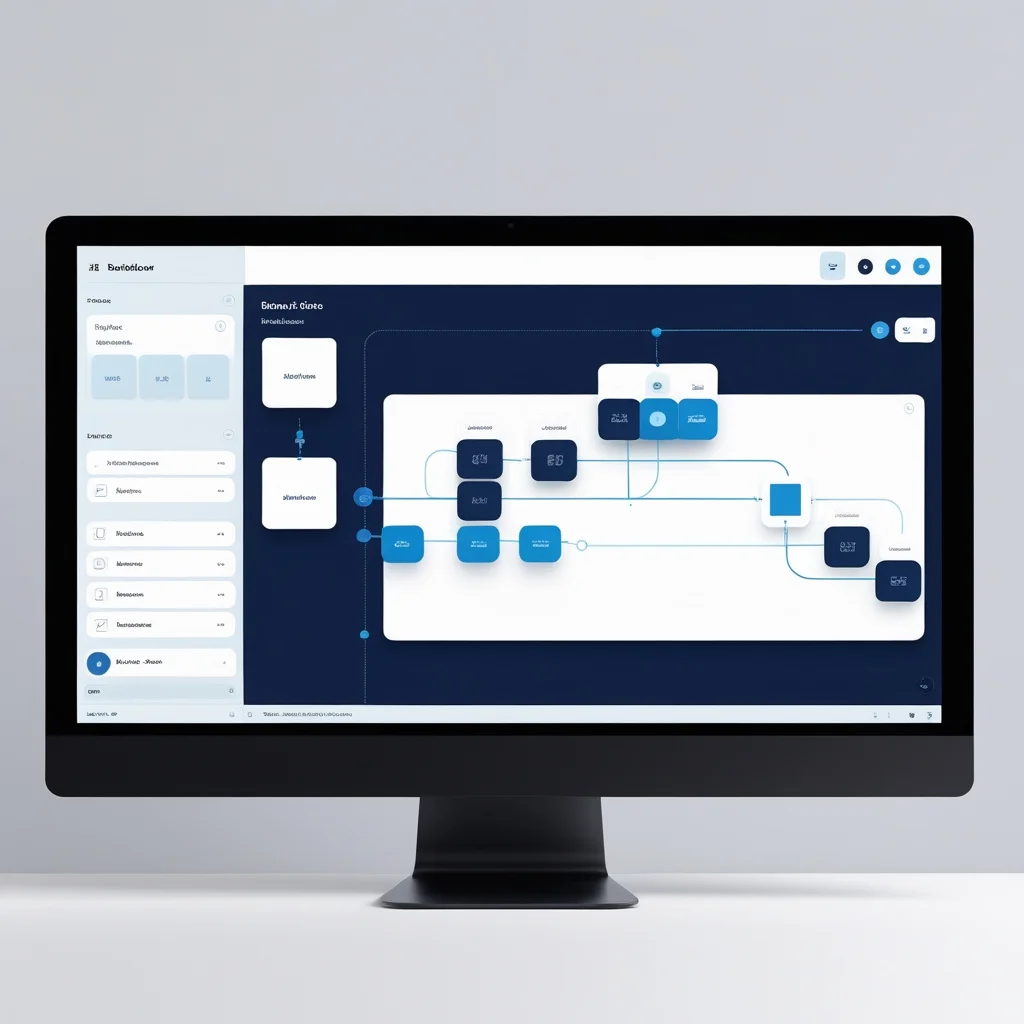
The main canvas in gdtj45 builder software uses a drag-and-drop configuration model. You pull components from a side panel onto a workspace, connect them with flow lines, and set parameters through simple input fields. This removes the need to manually write connection logic and makes the overall structure of a workflow visible at a glance.
This visual approach also makes it easier to spot problems. When something is misconfigured, you can see where the chain breaks rather than digging through logs or code files.
Modular Component System
One of the strongest design choices in this platform is its modular component system. Each component — whether it handles data input, transformation, conditional logic, or output — is self-contained. You can reuse components across different workflows, update a component in one place and have the change reflected everywhere it appears, and swap out components without rebuilding the entire flow.
This modularity saves time and reduces errors, especially in larger projects where the same logic appears in multiple places.
Integration and Deployment Support
gdtj45 builder software includes support for connecting to external services and pushing workflows through a software deployment pipeline. Rather than treating deployment as a separate phase, the platform embeds it into the build process. You configure where and how the workflow should run, and the software handles the handoff.
This is particularly useful for teams that work across multiple environments — testing, staging, and production — and need consistent behavior at each stage.
Benefits of Using gdtj45 Builder Software
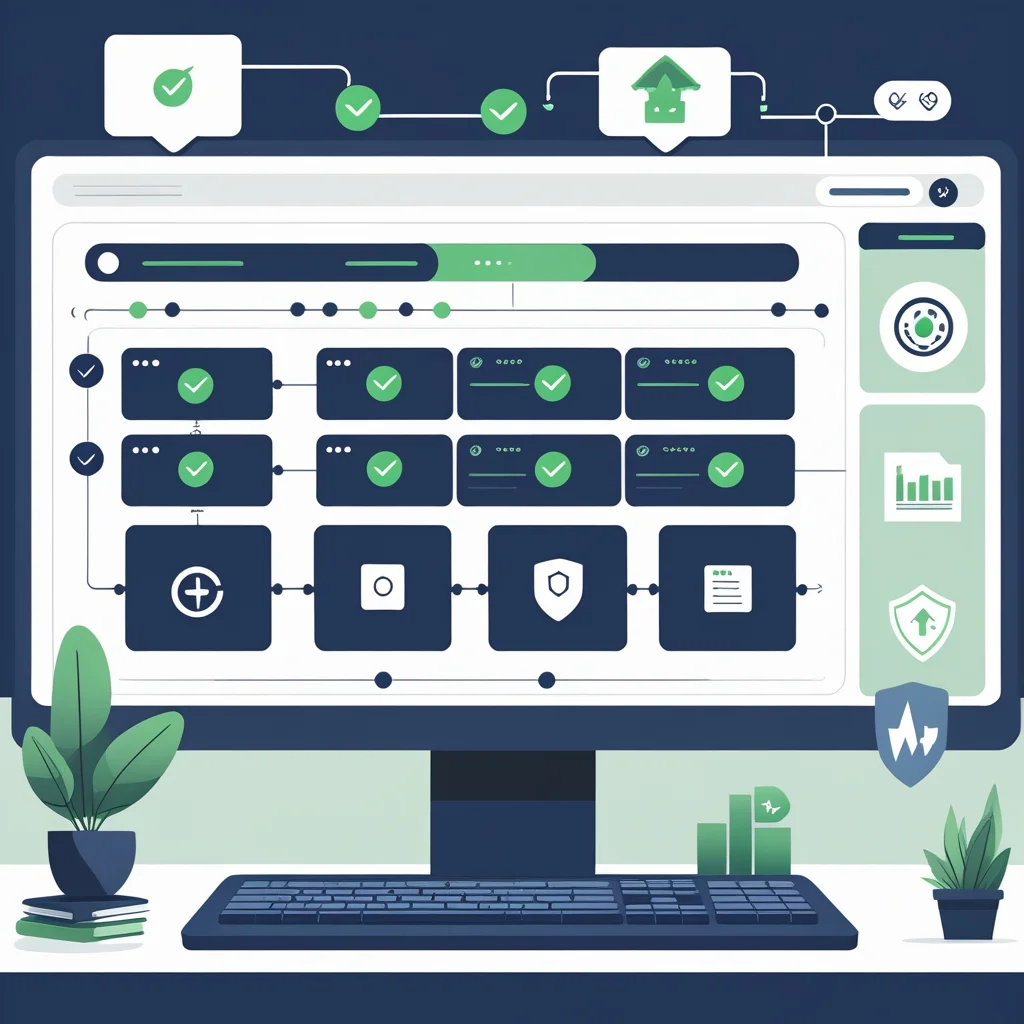
The appeal of this platform comes down to a few concrete benefits that show up quickly once you start using it.
Speed. Building a workflow that would take days in a traditional code environment can take hours here. The visual interface and pre-built components cut out a significant amount of repetitive work.
Visibility. Because everything is displayed graphically, anyone on the team can look at a workflow and understand what it does. This improves communication between technical and non-technical team members.
Reliability. The modular approach means individual components are tested and stable. When you build with proven parts, you introduce fewer points of failure than when writing everything from scratch.
Scalability. As your needs grow, you can extend existing workflows, build new ones on top of shared components, and manage complexity without starting over.
A Note on the Learning Curve
No tool is completely frictionless. gdtj45 builder software has a short but real learning curve, particularly around understanding how components pass data to each other and how conditional logic is structured. Most users find that the first workflow takes the longest, and things move much faster after that. Good documentation and a structured onboarding process make a meaningful difference here.
How to Get Started with gdtj45 Builder Software
Getting started is straightforward if you follow a clear sequence.
Start with a single workflow. Pick one real process your team handles manually — something with clear inputs, steps, and outputs. Build that first. Do not try to recreate an entire system in your first session.
Learn the component library. Before you begin connecting things, spend some time exploring what components are available. Understanding the building blocks before you start building prevents backtracking.
Use the preview mode. Most versions of gdtj45 builder software include a way to test your workflow before deploying it. Use this aggressively. Catching issues in preview is far easier than troubleshooting a live workflow.
Iterate from there. Once your first workflow is running, you will have a clear sense of the platform’s logic and rhythm. Adding new workflows or expanding existing ones becomes progressively easier.
Working with Your Team
This platform works well in collaborative environments. You can share workflows with colleagues, assign ownership of specific components, and review changes before they go live. If your team is used to working in shared documents or project management tools, the collaboration model here will feel familiar.
What to Look for When Evaluating Builder Software
If you are still in the comparison stage and not yet committed to gdtj45 builder software specifically, a few criteria should guide your decision.
Component depth. Does the platform have the specific types of components your workflows require, or will you hit walls quickly?
Integration compatibility. Can it connect to the external tools and systems your team already uses?
Deployment flexibility. Does it support the environments you work in — cloud, on-premise, or hybrid?
Support and documentation. Good software with poor documentation creates its own problems. Look for platforms with clear guides, active communities, and responsive support.
gdtj45 builder software scores well across these criteria for teams with structured, repeatable workflow needs. It is not the right fit for every use case, but for the problems it is designed to solve, it does the job with less overhead than most alternatives.
Conclusion
gdtj45 builder software gives teams a practical way to design, configure, and deploy structured workflows without the overhead of traditional development cycles. Its drag-and-drop configuration, modular component system, and built-in deployment support make it a strong choice for operations and product teams looking to move faster without sacrificing control.
If your team is spending too much time on repetitive build work or struggling to maintain visibility across complex processes, this platform is worth a closer look. Start with a free trial or demo if one is available, bring a real workflow with you, and see how far you can get in a single session. That first-hand experience will tell you more than any feature comparison.