What Is FintechAsia .net Telekom?
If you have ever heard the term “FintechAsia .net Telekom” and wondered what it actually means, you are not alone. It sounds technical, but the idea behind it is quite straightforward once you break it down.
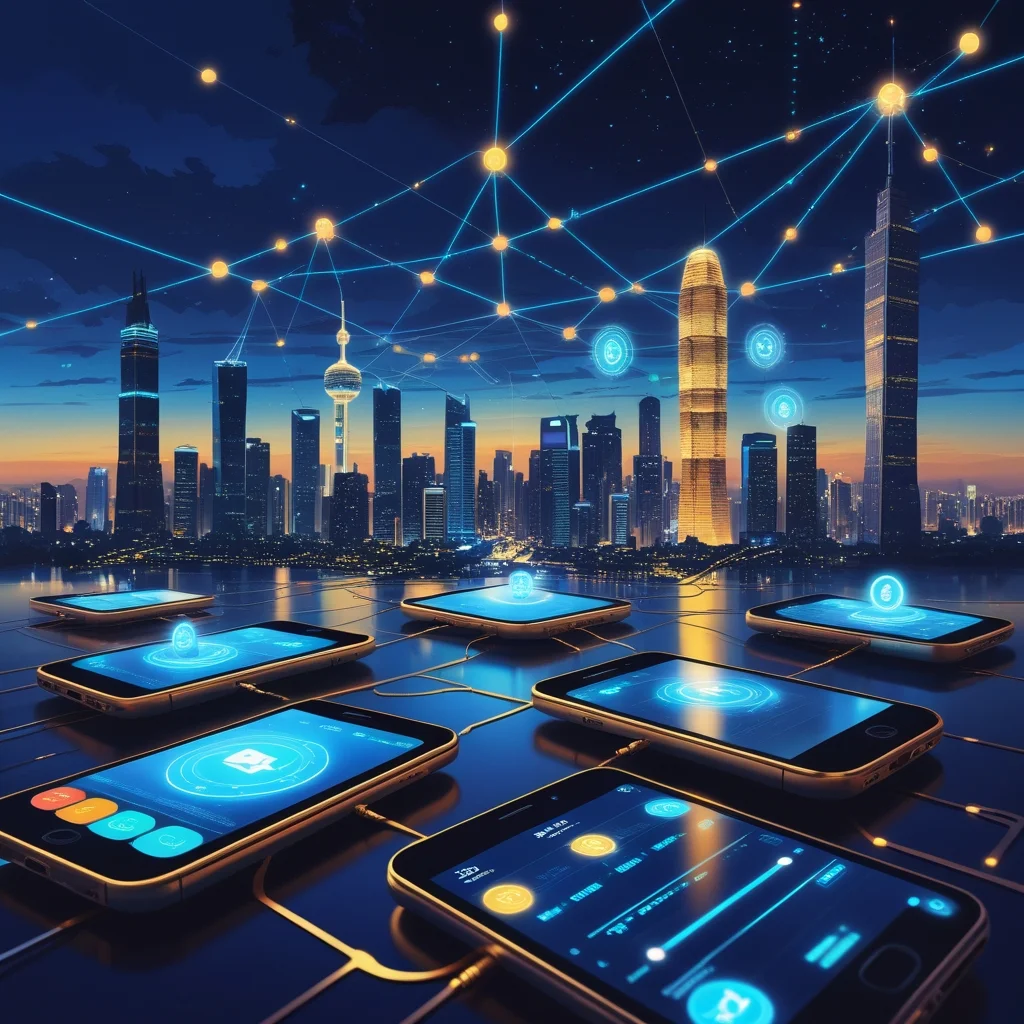
FintechAsia .net Telekom refers to the merging of financial technology (fintech) with telecommunications (telekom) infrastructure to deliver modern digital financial services across Asia. Think of it as your mobile phone network doing more than just keeping you connected. It becomes the very tool through which you send money, pay bills, get a small loan, or manage your savings without ever walking into a bank branch.
The “FintechAsia .net” part refers to an Asia-focused digital platform that tracks, reports on, and discusses fintech trends across the region. When combined with “Telekom,” it represents the broader concept of using telecom networks as the foundation for delivering financial services at scale. Together, they describe an ecosystem rather than a single company.
This matters because Asia is home to hundreds of millions of people who own a mobile phone but do not have a traditional bank account. FintechAsia .net Telekom addresses that gap directly.
Why Asia Is the Right Place for This Model
Asia is not just a large market. It is a uniquely mobile-first market. Countries like India, Indonesia, the Philippines, Vietnam, and Bangladesh have seen smartphone adoption outpace bank branch expansion for years. People in rural villages are far more likely to own a mobile phone than to live near a bank.
The fintech market across Asia was valued at over $300 billion in 2023 and continues to grow at roughly 16 to 20 percent annually. Governments across the region are actively pushing for digital financial inclusion, and telecom companies are perfectly positioned to lead that charge because they already have the customer relationships, the network infrastructure, and the trust.
That is the core insight behind FintechAsia .net Telekom. Telecom networks reach where banks cannot. By adding financial services on top of existing mobile networks, entire populations can be brought into the digital economy quickly and affordably.
How FintechAsia .net Telekom Actually Works
The way this ecosystem functions is surprisingly simple from a user perspective. Here is a basic walkthrough of how it all connects.
Mobile Networks as Financial Rails
Telecom companies manage enormous amounts of data about their subscribers. They know your usage patterns, your location, and your payment behavior through your SIM card. This information becomes the foundation for financial services. When a user registers for a digital wallet or applies for a micro-loan, the telecom network can verify identity using SIM-based authentication, which removes the need for lengthy paperwork or a physical visit to a financial institution.
Digital Identity Through SIM Verification
One of the biggest barriers to financial access has always been identity verification. Traditional banks require government documents, proof of address, and credit history. Many people in underserved areas have none of these. Telecom operators solve this through SIM registration, which already captures identity at the point of activation. This SIM-based identity then becomes the user’s digital footprint for accessing financial services.
Real-Time Transactions Through Mobile Apps
Once identity is established, users access services through a mobile app or even simple SMS-based menus. Transactions happen in real time because telecom networks are built for speed and reliability. Whether you are transferring money to a family member in another city or paying a vendor at a market stall, the process takes seconds.
Key Services Offered Within This Ecosystem
FintechAsia .net Telekom covers a broad range of financial services. Here is what you can typically access through this model.
Digital Wallets
A digital wallet lets you store money on your phone and use it for everyday purchases, bill payments, and peer-to-peer transfers. You do not need a bank account to open one. Your mobile number serves as your financial address. This is already live in many Asian countries through platforms like GCash in the Philippines, Dana in Indonesia, and bKash in Bangladesh, all of which operate on the telecom-fintech model.
Mobile Payments
Paying for things becomes as easy as scanning a QR code or tapping your phone. Technologies like NFC (Near Field Communication) make contactless payments seamless, whether you are buying groceries or paying for a ride. These payment systems work across devices and are designed to function even in areas with limited connectivity.
Micro-Loans and Credit Access
This is one of the most impactful aspects of the ecosystem. People without formal credit histories can still qualify for small loans because the system uses alternative data. Your telecom usage patterns, data top-up frequency, and even call behavior can all signal your creditworthiness. This opens credit access to millions of people who would otherwise be excluded entirely.
Cross-Border Remittances
Asia has some of the world’s busiest remittance corridors. Workers in Singapore, Malaysia, and the Gulf countries send billions of dollars back to their families across Southeast Asia every year. Traditional wire transfers are slow and expensive. Through telecom-integrated fintech platforms, cross-border money transfers can happen faster and at significantly lower fees, which directly puts more money in the hands of recipients.
Insurance Through Mobile Platforms
Some platforms within this ecosystem also offer micro-insurance products, covering things like health emergencies, travel, and even small business risks. These are sold and managed entirely through mobile apps, removing the complexity that has historically kept insurance out of reach for lower-income households.
Security: Is It Safe?
A fair question for any beginner is whether this system is trustworthy. The answer is that security is built into the architecture, though no digital system is completely without risk.
FintechAsia .net Telekom platforms typically use end-to-end encryption to protect transaction data, multi-factor authentication to verify user identity before any financial action, and AI-powered fraud detection that monitors for unusual patterns in real time. Regular compliance audits ensure that platforms meet international security standards.
That said, challenges remain. Cybersecurity threats are constantly evolving, and the larger the ecosystem grows, the more attractive it becomes as a target. Regulatory frameworks across Asian countries also vary widely, which means the level of consumer protection differs depending on where you are located. Users should always stick to verified, licensed platforms and never share authentication codes with anyone.
Benefits That Make This Model Powerful
The reason FintechAsia .net Telekom has gained so much attention comes down to a few clear advantages.
Financial inclusion stands out as the most significant benefit. By using mobile networks as the delivery channel, financial services reach populations that have been shut out of traditional banking for generations. This is not a marginal improvement. For a farmer in rural Indonesia or a market trader in Bangladesh, access to a digital wallet and credit can be genuinely life-changing.
Speed and convenience follow closely. Transactions that once required a trip to a bank branch, standing in line, and filling out forms now take under a minute on a smartphone.
Lower costs are another strong point. Without the overhead of physical branches and large staff, telecom-backed fintech services can price their offerings more competitively, passing savings on to users.
Finally, scalability is built in. Telecom networks are already designed to handle millions of simultaneous users. Adding financial services on top of existing infrastructure is far more efficient than building banking networks from scratch.
Challenges Worth Knowing About
No system is without its complications, and FintechAsia .net Telekom is no different.
Regulatory complexity is a persistent issue. Each country across Asia applies its own rules around digital finance, data privacy, and telecom licensing. A platform that works smoothly in Singapore may face entirely different compliance requirements in Vietnam or Pakistan. Navigating this patchwork slows expansion and adds cost.
Digital literacy remains a barrier in rural and older populations. Even when the technology is available, some users struggle to adopt it confidently. Education and user-friendly design are essential to bridging this gap.
Infrastructure dependency is another concern. In regions where mobile network coverage is patchy or unreliable, these services underperform. A dropped connection during a financial transaction creates frustration and erodes trust.
Cybersecurity risks will always be present and must be continuously managed as the ecosystem grows and attackers become more sophisticated.
What the Future Looks Like
The trajectory for FintechAsia .net Telekom points clearly toward deeper integration. Artificial intelligence is already being applied to personalize financial advice based on individual spending patterns. Blockchain technology is improving transparency in cross-border payments and reducing the number of intermediaries involved. The rollout of 5G networks across Asia will dramatically reduce latency, enabling faster transactions and supporting advanced features like biometric verification in real time.
Perhaps most significantly, the concept of a “unified digital identity” is emerging. In this model, your phone number becomes your bank account, your identity document, and your credit profile all at once. This is already taking shape in parts of Asia and could redefine what financial access means at a global scale.
Final Thoughts
FintechAsia .net Telekom is not just a buzzword or a niche concept. It represents a genuine shift in how financial services are designed and delivered across one of the world’s most dynamic regions. By using the reach and trust of telecom networks to carry financial tools into everyday life, this ecosystem brings practical benefits to hundreds of millions of people who need them most.
If you are new to the topic, the core takeaway is simple. Wherever mobile phones reach, financial services can now follow. And in Asia, that changes everything.