
What Is Durostech and Why Does It Matter
If you have been in the tech space for any amount of time, you have probably come across the name Durostech. It started as a focused software solutions provider and has steadily grown into a full ecosystem that covers everything from device performance optimization to enterprise-level security infrastructure.
Today, Durostech serves individuals, small businesses, and large organizations alike. Its strength lies in the fact that it does not just release flashy features for marketing purposes. Instead, it follows a structured development path that prioritizes security, usability, and long-term performance. That approach has earned it a loyal user base across multiple industries.
Understanding the latest Durostech developments is not just for developers or IT professionals. Whether you manage a business, run a startup, or simply care about the software tools you rely on every day, staying current with Durostech updates can directly affect how efficiently you work.
The Core Focus Behind Every Durostech Update
Before getting into specific features, it helps to understand what drives Durostech’s update philosophy. Every major release is built around three core priorities: security, performance, and user experience. These are not just marketing words. They reflect a real pattern in how the company designs its release cycles.
Security is treated as the foundation. No update ships without passing through a layered review process that checks for vulnerabilities before anything goes live. Performance is the second priority, with a focus on reducing load times, fixing bottlenecks, and making sure the software runs well on both older and newer hardware. User experience sits third in the development order but often ends up being the most visible change in any given update.
This structure means that when you install the latest Durostech version, you are not just getting new buttons and color schemes. You are getting a more secure, faster, and cleaner experience than what came before.
Key Features in the Latest Durostech Release

Advanced Security Enhancements
Security has received some of the most significant attention in recent Durostech updates. Multi-factor authentication has been strengthened across all product lines, making unauthorized access significantly harder. End-to-end encryption has been revamped, particularly for data transfers, which addresses one of the more common points of vulnerability in earlier versions.
One practical addition that many users have found useful is the ability to schedule vulnerability scans directly within the application. You can set these to run daily or weekly without having to remember to trigger them manually. This kind of automation removes a common gap in most people’s security routines, where the intention to run a scan exists but the follow-through does not always happen.
Automatic security patching is another feature worth noting. Instead of waiting for users to download and apply patches, the system handles it in the background. This alone reduces the window of exposure that exists between a vulnerability being discovered and a fix being applied.
Performance and Speed Improvements
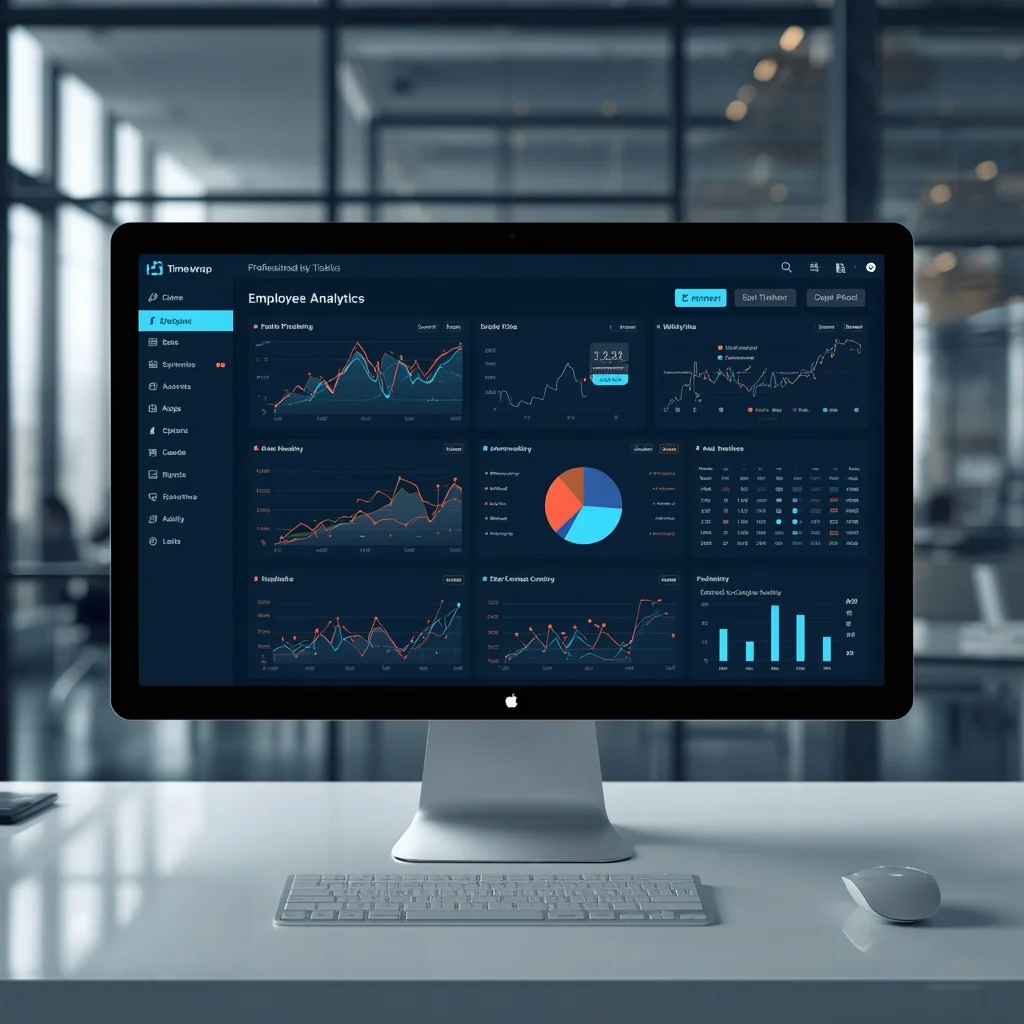
The performance gains in the latest release are noticeable from the moment you launch the application. Startup times across supported systems have improved by a meaningful margin, and the dashboard loads charts and data in real time rather than making you wait through a loading sequence.
Version 4.3.2 specifically addressed performance bottlenecks that had been reported by users over several months. The result is a smoother experience for both light users doing document management and heavier users running analytics or lead management workflows.
For teams handling large data volumes, the update also introduced near-instant data synchronization. This is particularly useful for marketing and operations teams who need to move between tools without delays disrupting their workflow.
Redesigned User Interface
The interface overhaul in the latest Durostech update is one of the changes that immediately stands out. Navigation menus have been simplified and reorganized, making it easier to find what you need without digging through nested settings. The dashboard structure feels lighter and more responsive than previous versions.
These changes were not just cosmetic. The goal was to reduce the time it takes for a new user to get comfortable with the platform and to speed up routine tasks for experienced users. Both goals appear to have been met based on the feedback that has come from the user community.
Expanded API and Integration Capabilities
One of the more technical but highly impactful changes in the latest Durostech build is the move from XML to JSON payloads in the API toolkit. For developers and integration teams, this is a significant quality-of-life improvement. JSON is lighter, more readable, and easier to work with in modern development environments.
The update also added new export options for Business Intelligence workflows. Data can now be pushed to analytics platforms in CSV or Parquet formats with a single action, cutting down on the manual preparation steps that previously added time to reporting processes.
Integration with third-party tools has also improved. CRM systems, project management platforms, and banking software can now connect more smoothly, reducing the friction that often comes with cross-platform workflows.
Mobile Optimization
Recognizing that many users are managing tasks from their phones and tablets, Durostech has invested heavily in mobile performance with the latest release. The mobile experience now matches the desktop version much more closely in terms of functionality. You can access and use the core features without losing capabilities just because you are on a smaller screen.
This matters practically because many professionals need to stay connected while away from a desk. Having the full toolkit available on mobile, without having to compromise on features, removes a real barrier to productivity.
How to Handle Updates Without Disrupting Your Work

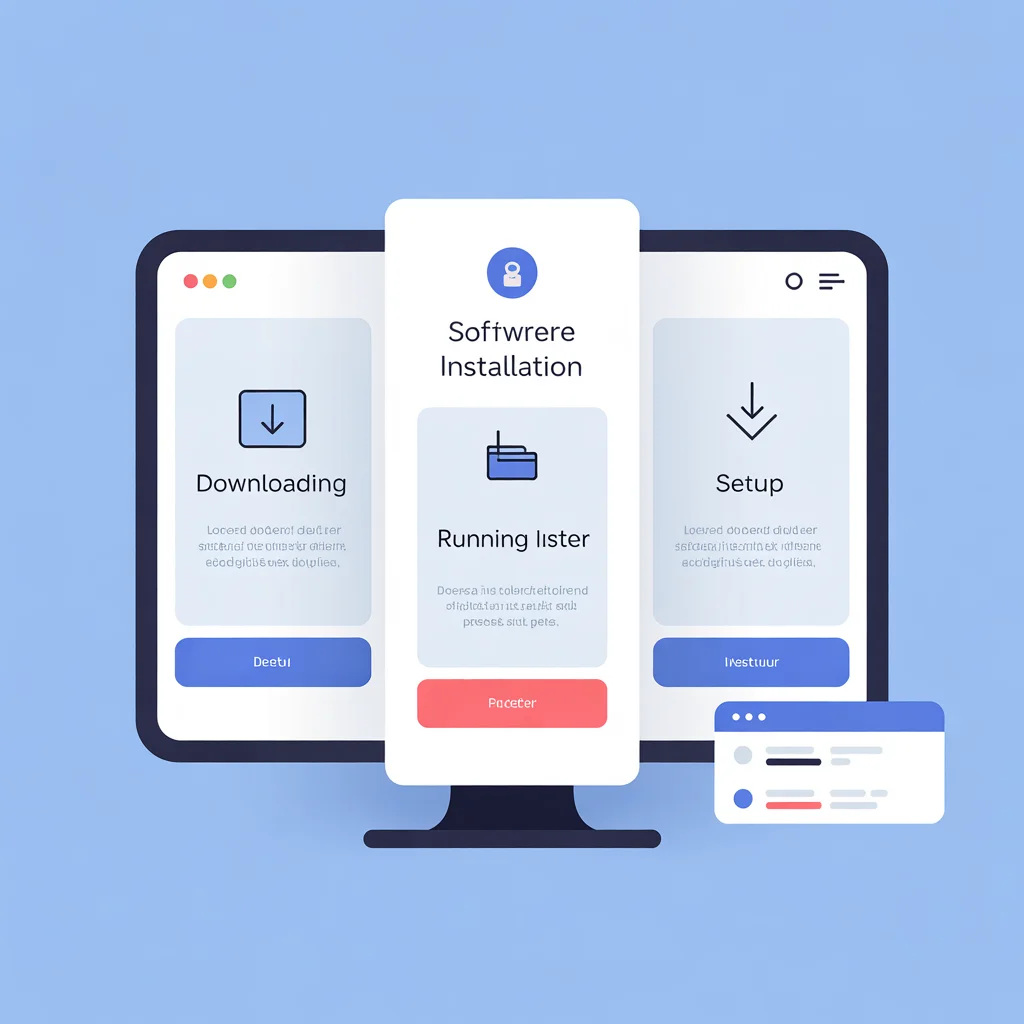
Updating software is one of those things that sounds straightforward but can cause headaches if not done carefully. Durostech’s versioning system follows a clear pattern: the version number tells you the scale of the change before you install anything. A minor number jump usually means bug fixes and small improvements. A major version change, like moving to a new first digit, often signals deeper architectural shifts that require more careful testing.
Before installing any major Durostech update, it is worth taking an inventory of your current setup. Document every active module, any custom code you have written, and every third-party integration you rely on. This makes it easier to spot potential conflicts before they become live problems.
Testing in a staging environment before pushing updates to production is one of the most effective practices recommended by Durostech itself. Running the update on a copy of your live environment first allows you to catch compatibility issues without putting your actual operations at risk.
It is also smart to keep a rollback plan in place. The platform includes an automated rollback option that can speed up recovery if a new feature causes unexpected issues. Having a plan before you need it is always easier than trying to figure one out in the middle of a problem.
What the Modular Hardware Direction Means for Users
Beyond software, Durostech has been moving toward a modular hardware design philosophy. Rather than requiring users to replace entire devices when they want better performance, the newer lineup allows specific components to be swapped out. This approach reduces electronic waste and is more cost-effective for users who want incremental upgrades rather than full replacements.
The compatibility between newer modular components and older hardware is not always guaranteed, so checking the official compatibility lists before purchasing any add-on components is an important step. A quick lookup can prevent the frustration of ordering the wrong part.
Common Troubleshooting Issues and How to Resolve Them
Even well-designed updates can introduce occasional friction. The most common issues users encounter after a Durostech update fall into a few predictable categories.
Database schema mismatches happen when the updated software expects a data field that existed differently in the previous version. Running a schema validation tool to compare the old and new structures is the fastest way to identify and resolve these conflicts.
File permission errors can occur when a new script is deployed with different ownership or access settings than what the server expects. Checking the web server and operating system permissions after an update and correcting the owner to the appropriate service account usually resolves this quickly.
API or integration errors often trace back to deprecated endpoints. If your custom integrations stop working after an update, reviewing the API changelog and updating the call structure to match the current endpoints is the right first step.
Final Thoughts
Durostech has built something worth paying attention to. It is not chasing trends for the sake of appearing innovative. Instead, it is steadily expanding a platform that works reliably across security, performance, and usability dimensions. The latest updates reflect a company that listens to what its users actually need and builds accordingly.
Whether you are evaluating Durostech for the first time or have been using it for years, taking the time to understand what each update brings makes you a more effective user. The features are only valuable if you know they exist and know how to put them to work.