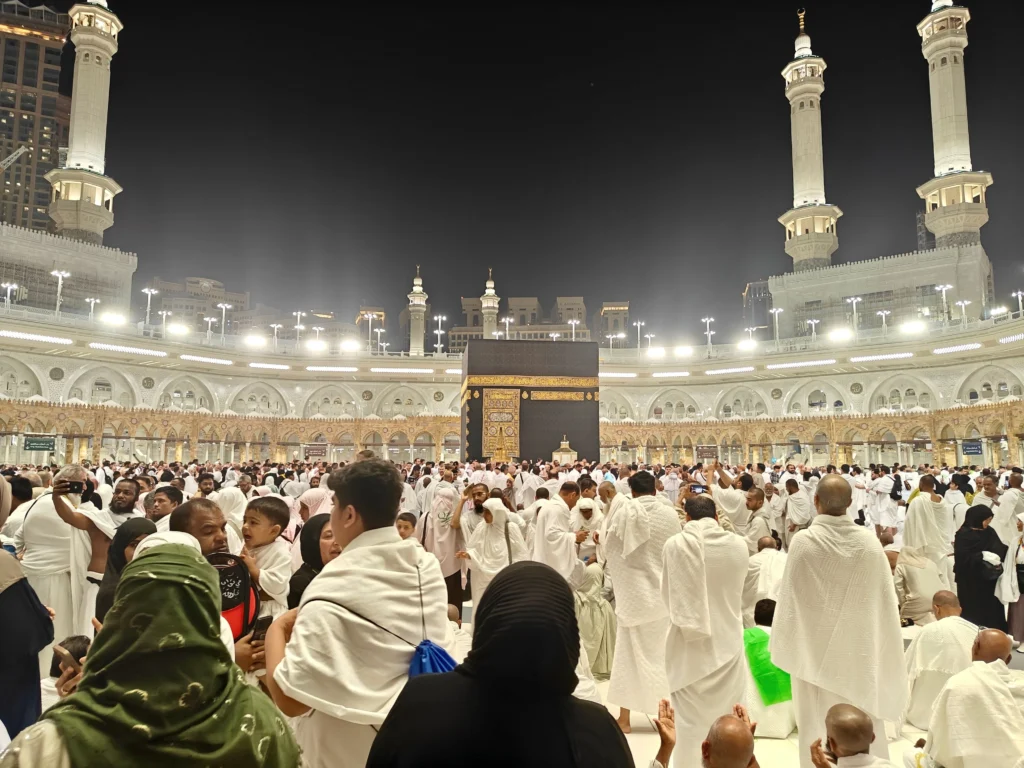
Every year, millions of Muslims travel to Makkah and Madinah to perform Hajj and Umrah — a journey that is deeply spiritual, but also logistically demanding. From flight bookings to visa processing to ground transportation, modern technology has quietly reshaped how pilgrims prepare for and experience this sacred journey. What used to require dozens of phone calls, travel agents, and paperwork can now be handled through a few taps on a smartphone.
The Digital Shift in Religious Travel
A decade ago, planning a Hajj or Umrah trip meant relying almost entirely on local travel agencies and word-of-mouth recommendations. Today, technology has introduced transparency and convenience into every stage of the journey. Pilgrims can compare packages online, read verified reviews, track visa status digitally, and even use mobile apps for prayer timings, Qibla direction, and step-by-step guidance for the rituals themselves.
This digital transformation hasn’t just made travel easier — it has made it safer. Real-time updates on flight schedules, crowd density at holy sites, and weather conditions help pilgrims, especially elderly travelers, avoid unnecessary risk and stress.
Ground Transportation: The Overlooked Piece of the Puzzle
While flights and hotel bookings get most of the attention in travel-tech discussions, ground transportation is just as critical — and often the most stressful part of the trip. Pilgrims arriving in Jeddah or Madinah airports need reliable, comfortable, and timely transport to their hotels, and later between Makkah, Madinah, and other holy sites like Mina, Arafat, and Muzdalifah during Hajj.
This is where dedicated transport services have started using technology to their advantage. Instead of pilgrims negotiating with unfamiliar drivers at the airport, online booking platforms now let travelers reserve a taxi in advance, know the fare upfront, and get matched with a driver familiar with pilgrim routes and etiquette. Services like Online Umrah Hajj Taxi allow pilgrims to book airport pickup, inter-city transfers, and ziyarat (visit) tours online before they even leave home — removing one major source of uncertainty from an already overwhelming trip.
Why This Matters for First-Time Pilgrims
For first-time pilgrims, the fear of being overcharged, getting lost, or ending up with an unreliable driver is real. Language barriers make it worse — many pilgrims don’t speak Arabic, and drivers may not speak their native language either. Pre-booked, technology-enabled taxi services solve this by offering fixed pricing, English-speaking support, and confirmed bookings that don’t depend on last-minute negotiation at a crowded airport.
This shift mirrors what has happened across the broader travel industry: ride-hailing and pre-booking apps have replaced street-side haggling almost everywhere else in the world, and religious travel is finally catching up.
The Role of Mobile Apps and Online Platforms
Beyond transportation, mobile technology now supports pilgrims in ways that were unimaginable a generation ago:
- Visa tracking apps that show real-time application status
- Crowd management systems used by Saudi authorities to guide pilgrim movement during peak Hajj days
- Digital Hajj guides with multilingual instructions for rituals
- Payment gateways that let pilgrims pay for services in their home currency before departure
Each of these tools reduces friction, and together they represent a broader trend: religious tourism is no longer isolated from mainstream travel-tech innovation.
What This Means for the Future
As more travel and transport companies build dedicated platforms for pilgrims, we can expect further improvements — AI-based route optimization for pilgrim traffic, better multilingual support, and tighter integration between flight, hotel, and transport bookings into a single itinerary. The goal is a seamless journey where technology handles the logistics so pilgrims can focus entirely on the spiritual purpose of their trip.
Technology may not change the meaning of Hajj or Umrah, but it is steadily removing the practical obstacles that once made the journey harder than it needed to be. From booking a flight to reserving a taxi, every improvement brings pilgrims one step closer to a smoother, more focused pilgrimage experience.